
Chinese control
of global graphite anode manufacturing capacity
With the world’s first carbon-negative battery material.
BioNa produces battery-grade hard carbon anode material from agricultural waste—the only fully European anode with a carbon-negative lifecycle.
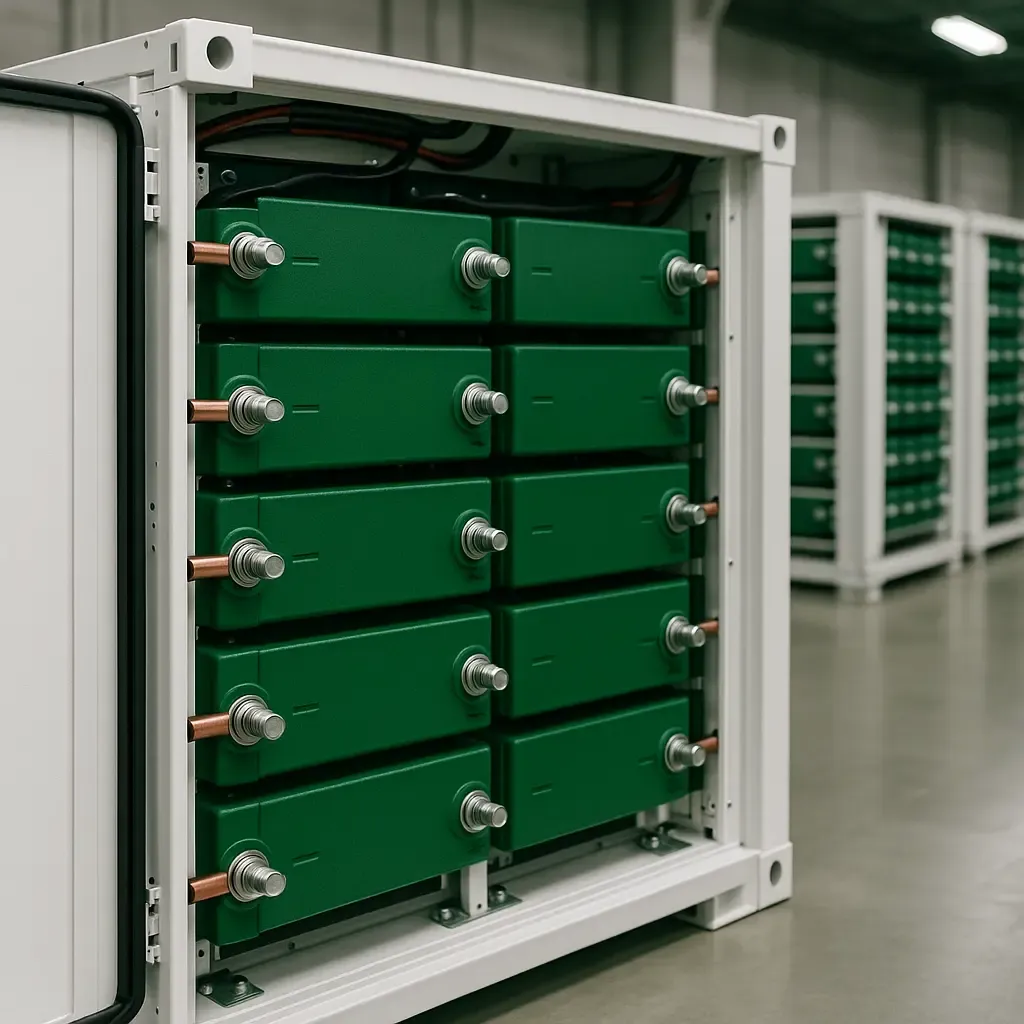 Sodium-ion ready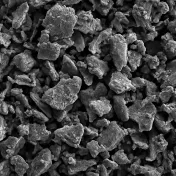
One European value chain
The challenge
Anode materials are the critical weakness of European battery supply chains. For sodium-ion batteries—identified by the EU as a strategic priority—hard carbon is the only viable anode material.
With no European producer and Chinese supply under CBAM pressure from 2027, cell manufacturers face a critical bottleneck. BioNa was built to solve it.
of global graphite anode manufacturing capacity
commercially producing hard carbon anode material
per kg of conventional fossil-derived anode material
in a hard carbon market estimated at $500M in 2026
The supply chain gap
Europe is investing across cathode chemistries while the anode layer remains overwhelmingly dependent on China.
The Double Negative process
Our proprietary process converts European agricultural biochar into high-performance hard carbon anode material for sodium-ion batteries.
 01
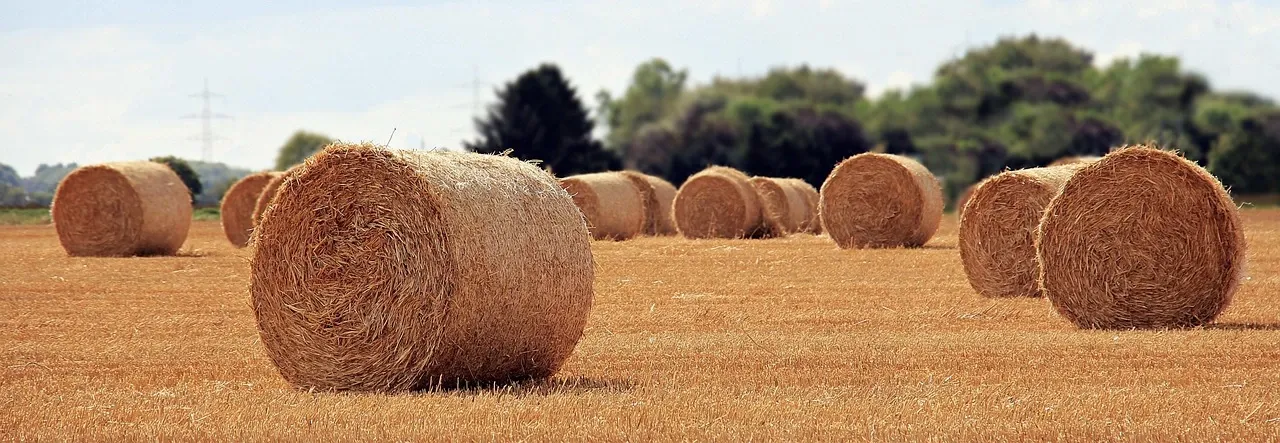
01 Agricultural residues are collected from European farms.
 02
02 Existing European pyrolysis facilities convert biomass into a carbon-rich feedstock.
 03
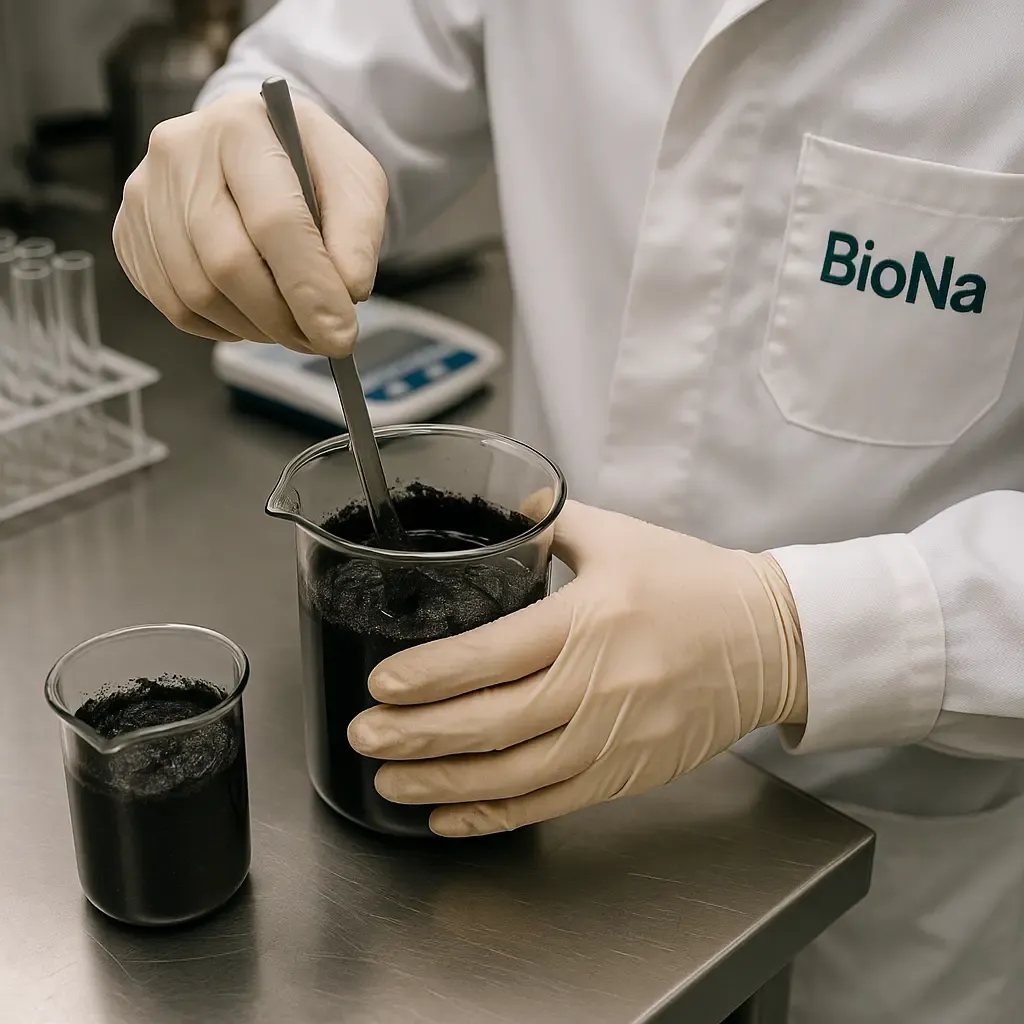
03 BioNa’s proprietary treatment upgrades biochar into battery-grade anode material.
The hard carbon stored in a battery anode can act as durable carbon removal under the EU Carbon Removals and Carbon Farming Regulation.
Technology
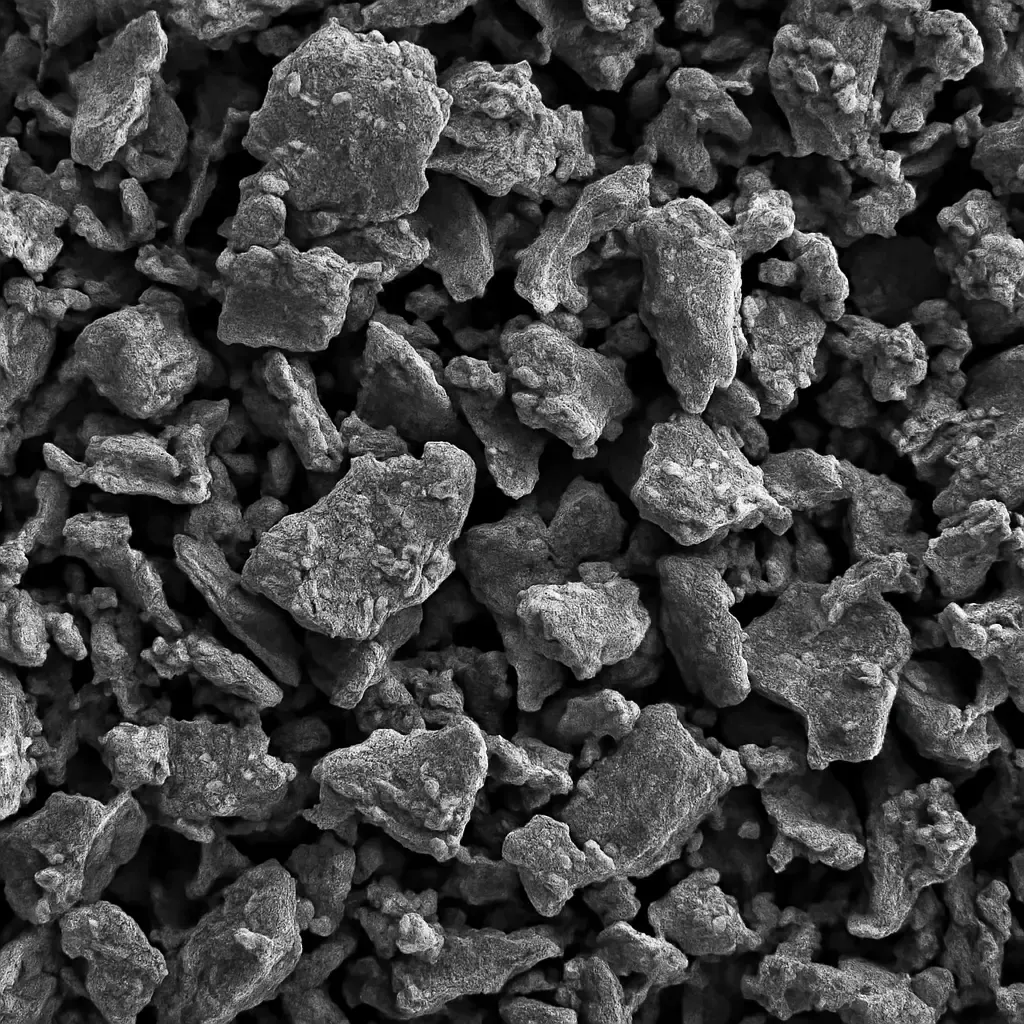
BioNa’s proprietary multi-stage carbonisation precisely directs the evolution of carbon microstructure, synthesising hard carbon particles with optimised accessible pores.
These microporous structures enable sodium storage while limiting SEI formation—supporting specific capacity without sacrificing Initial Coulombic Efficiency.
1st cycle specific capacity
Initial Coulombic Efficiency
Hard carbon morphology Development roadmap
Specific capacity ≥ 280 mAh/g
≥ 280 mAh/g and purity ≥ 99.95%
Specific capacity ≥ 300 mAh/g
Initial Coulombic Efficiency ≥ 92%
Customer-led trial agreed
Purchase agreement secured
DTU Energy capability
Through DTU Energy’s state-of-the-art material characterisation laboratory and electrochemical testing facilities, our analytical team can adapt the multi-stage process to individual biochar feedstocks and create bespoke treatments case by case.
Why BioNa
Every component of our supply chain—from agricultural feedstock to finished anode material—is sourced and processed within Europe.
100% EuropeanOur life-cycle assessment shows a carbon-negative process. The anode acts as a durable carbon sink under the EU CRCF Regulation.
Up to −1.8 kg CO₂/kgBiochar converts to hard carbon with a simpler supply chain, lower logistics costs and exceptionally high material yield.
>90% conversionThe BioNa team

Mechanical engineering, supply chain and biomass processing · DTU

Battery materials and hard carbon from biochar specialist

Biochar production specialist

Business development, fundraising and project management

Battery scientist, cell production and performance

Hard carbon materials characterisation and analysis

Head of Electrochemistry and battery chemistry specialist · DTU Energy

Building data analysis and visualisation tools, and managing IT infrastructure

Thermo-chemical engineer
Board members
Scientific collaborators
Traction & partners
From DTU laboratories to European industry partners, BioNa is progressing toward commercial scale with strong technical and institutional backing.
Grants & prizes awarded
Partners & affiliations
Let’s build the European value chain
We are building our consortium for the Horizon Europe CL5-2026-09-D2-01 call (deadline September 2026) and welcome conversations with potential partners, customers, investors and collaborators.
info@biona.energy